Apple Health Medications Not Syncing to Your Apple Watch or iPad? How to Fix It
If medications you added in Apple Health are missing on your Apple Watch or iPad, or doses you log on one device never show on the other, the cause is usually iCloud Health sync, a different Apple Account or an older iOS or watchOS. A step-by-step fix.
Read article →
How to Cancel Medisafe Premium on iPhone (and What You Keep)
Step by step: how to cancel a Medisafe Premium subscription on iPhone through Apple's subscription settings, when the cancellation takes effect, how refunds work and what happens to your Medisafe history afterwards.
Read article →
How to Delete or Archive a Medication in Apple Health
How to remove a medication from the Health app on iPhone: when to archive and when to delete, what happens to your past logs and how to stop the Health app's medication reminders.
Read article →
How to Delete Your Medisafe Account and Data (Export First)
Step by step: how to delete your Medisafe account and data on iPhone, what to export before you do, why you should cancel Premium first and what to do if the app has locked or you cannot log in.
Read article →
How to Export Your Medication History From Apple Health
Apple Health can export a PDF of your current medications and a full zip of XML with Export All Health Data, but no readable dose history. Here is what each option gives you and practical ways to get a list or report your doctor can read.
Read article →
How to Export Your Medisafe Data (and What You Can Take With You)
Step by step: how to get your dose history, tracker readings and diary notes out of Medisafe on iPhone, what the export contains, what it leaves behind and what to do before you delete your account.
Read article →
How to Export Your MyTherapy Data (and What You Can Take With You)
How to get your dose history out of MyTherapy: the monthly PDF overview, the one-time code for a doctor, asking support for a copy of your data and what to do before you delete your account.
Read article →
How Long Will My Tablets Last? Work Out Your Days of Supply
Divide the tablets you have by the tablets you take each day. Worked answers for 84, 120 and 180 tablets, how many you need for 30 days, how many you should have left and how long a 90 day supply with 3 refills lasts.
Read article →
How to Log a Past Dose in Apple Health (or Change a Dose Time)
Forgot to log a dose in the Health app? How to record a dose for an earlier day, change Taken or Skipped, change the time a medication is scheduled and what Apple doesn't let you edit.
Read article →
How to Add Your Medications to Medical ID on iPhone
How to put your medications in Medical ID on iPhone so first responders can see them from the Lock Screen, what Show When Locked and Emergency Call do and how to keep the list up to date.
Read article →
How to Set a Medication Alarm Every 8 Hours on iPhone
The iPhone Clock app has no every 8 hours setting. Here is how to set medication alarms every 8, 6, 4 or 12 hours with Clock, Reminders and the Health app. Each one has limits, and we cover those too.
Read article →
Medication Reminder Apps With No Account or Sign-Up (2026)
Which iPhone medication reminder apps work without an account or sign-up, what their App Store privacy labels say and why skipping the account matters for your health information. Each claim checked on 18 November 2026.
Read article →
How to Make a Medication Reminder With Shortcuts on iPhone
How to build a medication reminder with a Shortcuts automation on iPhone, using a Time of Day trigger and the Show Notification action. Plus an honest look at how far you can rely on it.
Read article →
Medication Reminders on iPhone Without Downloading an App
How to set medication reminders on iPhone with apps you already have: the Health app's Medications, Clock alarms and Reminders. What each does well and where each one falls short.
Read article →
Medications App Not Showing on Apple Watch? How to Fix It
The Medications app missing from your Apple Watch, an empty medication list or reminders that only reach your iPhone? Step-by-step fixes from Apple's support pages, from redownloading the app to Schedule Unavailable.
Read article →
How Many ml Is a Teaspoon or Tablespoon of Medicine?
A medicine teaspoon is 5 mL and a medicine tablespoon is 15 mL. Here is a quick conversion table, why kitchen spoons give the wrong dose and how to measure liquid medicine properly.
Read article →
Is Medisafe Premium Worth It? What It Adds Over the Free Plan (2026)
A fair look at Medisafe Premium in 2026: what Medisafe says Premium adds, what it costs on Medisafe's own help centre, how the free plan changed outside the US and who gets the most from paying.
Read article →
Medisafe Reminders Not Working on iPhone? How to Fix Them
Medisafe reminders silent, late or not showing on your iPhone? The fixes Medisafe's own help centre gives, step by step: notification settings, Background App Refresh, Focus, sound, critical alert reminders, time zones and Medfriend alerts.
Read article →
Moving to a New iPhone Without Losing Your Medication History
How to move your medications, dose history and reminders to a new iPhone: Quick Start or an iCloud backup, where the Health app keeps its data and how to carry across apps that keep everything on the phone.
Read article →
MyTherapy Alternatives in 2026: An Honest Guide
Thinking of leaving MyTherapy? A fair look at what MyTherapy does well, why people switch and the alternatives worth trying on iPhone in 2026, from Apple Health to Medisafe, CareClinic and Cadence.
Read article →
MyTherapy Reminders Not Working on iPhone? How to Fix Them
MyTherapy reminders silent, late or missing on your iPhone? The iPhone settings to check, step by step: notifications, Focus, Scheduled Summary, sound, updates and what to do before you reinstall.
Read article →
Free Pill Reminder Apps Without Ads for iPhone (2026)
Which free pill reminder apps for iPhone have no ads, which show ads and what each one charges for. Every claim checked against App Store listings and official help pages on 18 November 2026.
Read article →
How to Print a Medication List From Your iPhone
How to print your medication list from iPhone with the Health app's Export PDF and AirPrint, what to do without an AirPrint printer and how to make a wallet-sized copy to carry.
Read article →
Round Health Alternatives for iPhone (2026)
Round Health is no longer on the App Store. Here are the iPhone medication reminder apps that cover what Round did, from forgiving reminder windows to refills and birth control packs, plus how to move across.
Read article →
How to Share Your Medication List From iPhone
How to send your medication list from iPhone to a doctor, pharmacist or family member: Export PDF in the Health app, Health Sharing for family and what to do when someone needs more than a list.
Read article →
What Does 1.5 Tablets Mean? Half Tablets and Splitting Explained
1.5 tablets means one whole tablet plus half of another. Here is how to read tablet fractions on a label, which tablets can be split, which never should be and how to use a pill splitter.
Read article →
Medication Reminder Apps in Australia: What to Look For (2026)
A plain guide to pill reminder apps for Australians: PBS repeats, eScripts, Australian brand names, refill timing, prices in AUD, reminders on silent and privacy. Written in Sydney.
Read article →
ADHD Medication Refills: Controlled Substance Rules, Shortages and How to Never Run Out
ADHD stimulants cannot be refilled like other medicines. How Schedule II rules work in the US, what to do in a shortage, a brief look at the UK and Australia and how to plan your next script before you run low.
Read article →
ADHD Medication Timing: When to Take It So It Lasts the Day and Lets You Sleep
Short-acting and long-acting ADHD medicines last very different lengths of time. What the labels say about Adderall, Ritalin, Concerta, Vyvanse and Focalin, wearing off and late doses.
Read article →
CareZone App Gone? Where to Keep Your Medication List Now (2026)
CareZone left the App Store after Walmart bought its technology in 2020. Here is what happened and how to set up your medication list and reminders in a free app in five minutes.
Read article →
Did I Take My ADHD Medication? What to Do When You Can't Remember
Was that this morning or yesterday? Why the question is so common with ADHD, why a second stimulant dose 'just in case' is a bad bet and how to set things up so you can check instead of guess.
Read article →
Dosecast Removed From the App Store? What to Switch To (2026)
Dosecast has left the App Store and had not been updated since March 2023. Here is what that means for your reminders and how to move to a free app in five minutes.
Read article →
How to Refill a Prescription: App, Online, Phone, Text and Auto-Refill
The ways to refill a prescription, plus how refills work at CVS, Walgreens, Walmart and Shoppers Drug Mart. Have your Rx number ready and order a few days early.
Read article →
Mango Health App Discontinued? What to Use Instead (2026)
Mango Health is gone from the App Store and its website no longer loads. Here is what happened and how to move your medication reminders to a free app in five minutes.
Read article →
Missed Your ADHD Medication? What the Labels Say for Stimulants and Non-Stimulants
Forgot your ADHD medication and it is already lunchtime? What the labels and MedlinePlus say about missed doses of Adderall, Vyvanse, Ritalin, Strattera, guanfacine and Qelbree, and why a late stimulant can cost you sleep.
Read article →
Missed a Dose of Antibiotics? What to Do Next
Missed an antibiotic dose? Usually take it when you remember, unless the next dose is nearly due, and never double up. Why spacing and finishing the course matter.
Read article →
Non-Stimulant ADHD Medication: Why Every Day Counts More Than the Time of Day
Atomoxetine, guanfacine, viloxazine and clonidine work differently from stimulants. They are taken every day, built up over weeks and some must never be stopped suddenly. Here is what that means day to day.
Read article →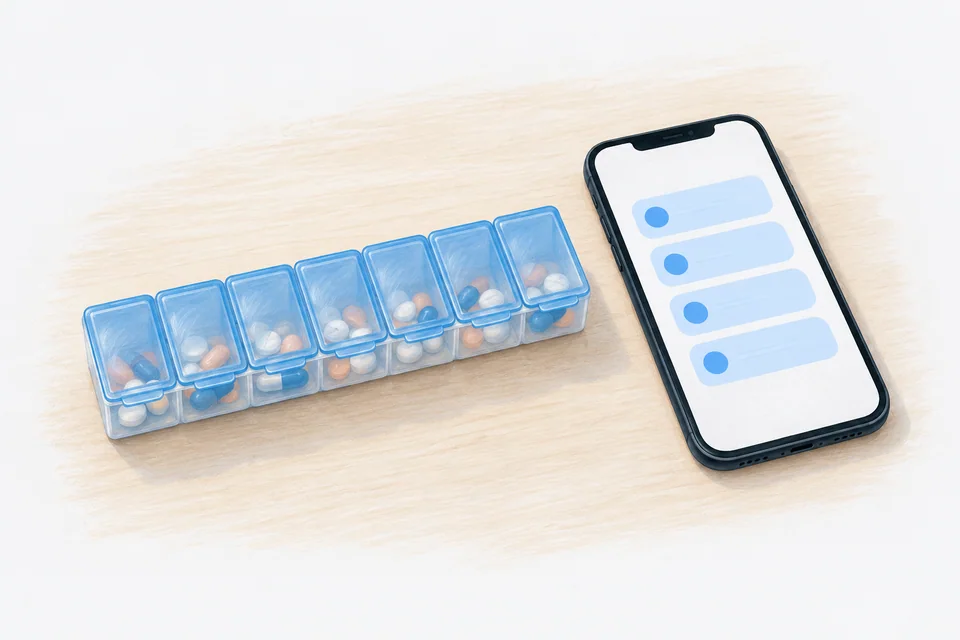
Pill Dispenser With Alarm vs a Phone App: Which Suits You?
Alarm pill boxes, locked carousel dispensers and connected dispensers compared with a medication reminder app. Who each one suits, where each falls short and how to pair a weekly organiser with an app.
Read article →
Semaglutide Dose Schedule: Weekly Steps, Missed Doses and Changing Your Day
How the once-a-week semaglutide schedule works on the Ozempic and Wegovy labels: the dose steps, what the label says about a missed dose, how to change your injection day and how to remember it every week.
Read article →
Run Out of Medication? What to Do Today and How to Get an Emergency Supply
Ran out of your regular medicine? Call your pharmacy first. Emergency supply rules in the US, UK and Australia, renewing an expired prescription and how to avoid it next time.
Read article →
Managing a Child's Medication Between Two Homes: A Co-Parenting Guide
When a child splits time between two homes, medication doses get missed or doubled at handover. How co-parents can share a medication schedule, track doses and keep supply in both houses.
Read article →
Medication Reminders Not Going Off on iPhone? Check Focus, Sleep and Scheduled Summary
If your medication reminders are silent or never show up on iPhone, Focus, Sleep mode, Scheduled Summary or a notification setting is usually the cause. A step-by-step checklist to get every reminder through.
Read article →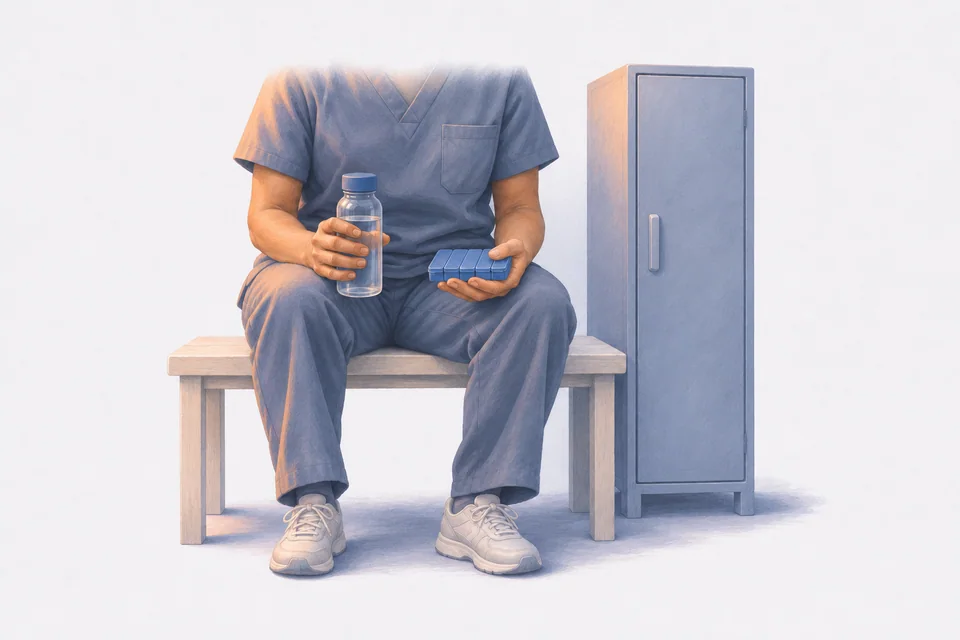
Taking Medication on Shift Work: Night Shifts, Rotating Rosters and Dose Times
Night shifts and rotating rosters make it hard to take medication at the same time every day. How shift workers can plan dose times around sleep, keep reminders working and avoid missed or doubled doses.
Read article →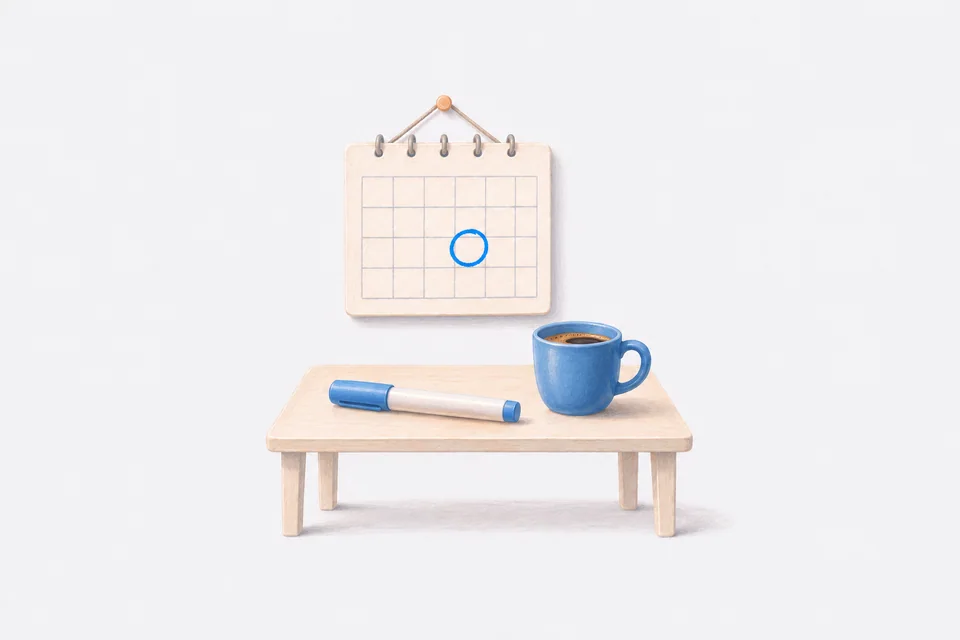
Weekly Injection Reminder: How to Never Miss Your Ozempic, Wegovy or Mounjaro Shot
Once-a-week injections like Ozempic, Wegovy, Mounjaro and Zepbound are easy to forget because there is no daily habit to hang them on. How to set a weekly injection reminder that works and keep track of every shot.
Read article →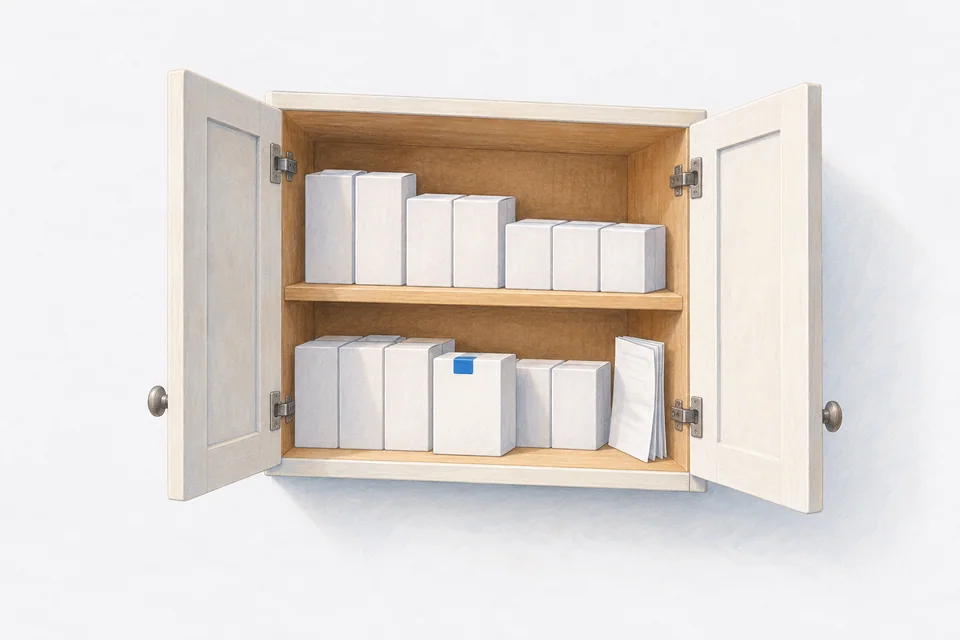
How to Keep Taking Your Medication on Schedule Over the Holidays
Late nights, sleep-ins, travel and closed pharmacies make Christmas and New Year the easiest time to miss doses. How to keep your medication on track until January.
Read article →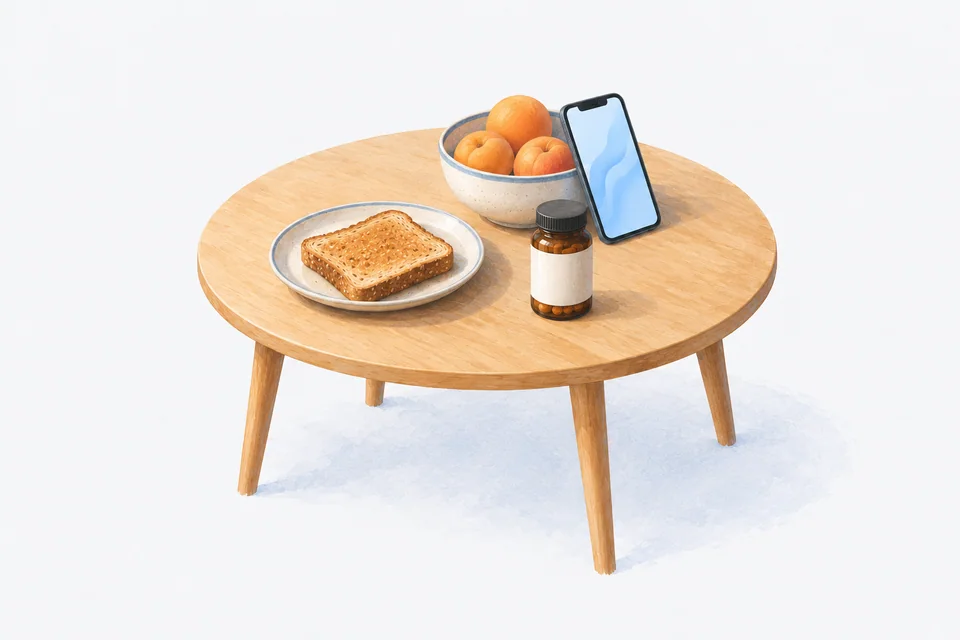
How to Remember to Take Your Vitamins Every Day (and Keep It Going Past January)
Starting vitamins for the New Year? How to remember them every day: tie them to a habit you already have, pick the right time, track each one and avoid doubling up.
Read article →
What Is the Difference Between Antibiotics and Antivirals?
Antibiotics treat certain bacterial infections and do not work on viruses. Antivirals treat some viral infections. Here is why the difference matters.
Read article →
What Does Non-Drowsy Mean? Drowsy vs Non-Drowsy Antihistamines
Non-drowsy means a medicine is less likely to make you sleepy, not that it never will. Which antihistamines are drowsy and non-drowsy, side effects and driving.
Read article →
How Long Does Medication Take to Work?
It depends on the medicine: some take weeks before you notice a change. Here is why, a few examples and when to talk to your doctor.
Read article →
How Can You Save Money on Prescriptions?
Ask whether a generic is available, check government help where you live and ask your pharmacist or doctor about cheaper options. Never skip doses to save money.
Read article →
How Do You Transfer a Prescription to Another Pharmacy?
In the US, ask the new pharmacy and it usually handles the transfer, with limits on controlled medicines. In the UK, you choose your pharmacy when you order a repeat.
Read article →
What Do the Abbreviations on a Prescription Mean?
BID means twice a day, TID three times a day, QID four times a day and PRN as needed. If anything on your label is unclear, ask your pharmacist.
Read article →
How Do You Take Thyroid Medication Consistently?
Pick a time you can keep, usually in the morning on an empty stomach before breakfast and coffee, and plan the gap from anything that can get in the way.
Read article →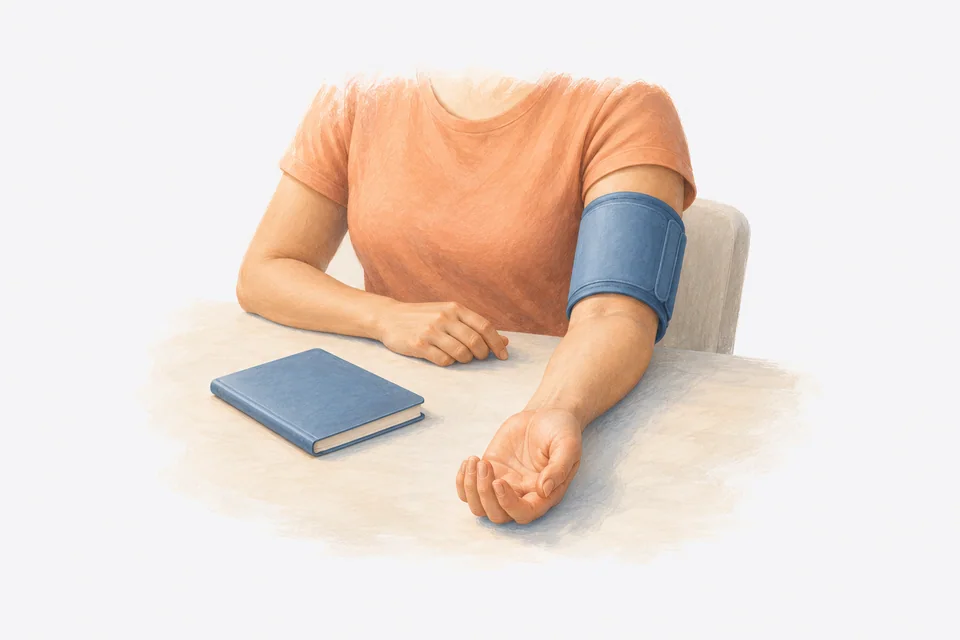
What Do Blood Pressure Numbers Mean?
The top number is the pressure when your heart pumps and the bottom number is the pressure when it relaxes. What counts as high depends on where you live.
Read article →
What Is Medication Synchronisation?
Medication synchronisation lines up your refills so they are due on the same day, usually with one pickup a month. Here is how it works and what to ask your pharmacy.
Read article →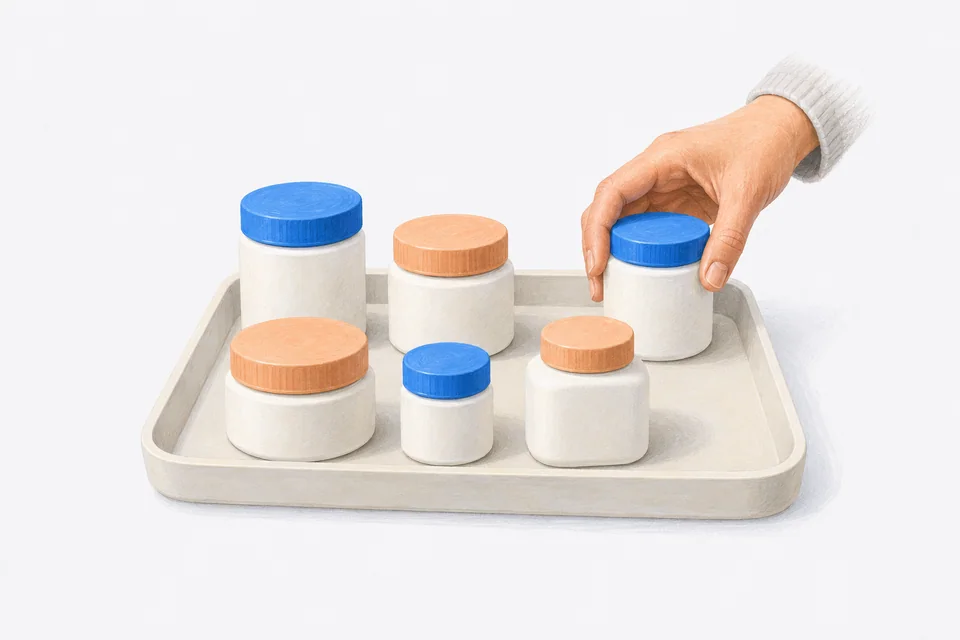
What Is Polypharmacy?
Polypharmacy means taking several medicines at once. It is often necessary, but it raises the risk of interactions and side effects, so keep a list and have it reviewed.
Read article →
Is Max Pill Reminder Any Good? Cadence vs Max
Max is a free pill reminder with a dog that barks at you and family sharing. Cadence is a free reminder with Apple Watch, no account and insights. How they compare in 2026.
Read article →
Is Pill Buddy Free? Cadence vs Pill Buddy
Pill Buddy is free to download and sells a US$4.99 monthly or US$35.90 yearly supporter option. Cadence is free for unlimited medications with a one-time Pro. How they compare.
Read article →
Is Pill Reminder All in One Free? Cadence vs Pill Reminder
Pill Reminder All in One is free for 2 reminders, with a one-time US$2.99 upgrade. Cadence is free for unlimited medications. How the two compare in 2026.
Read article →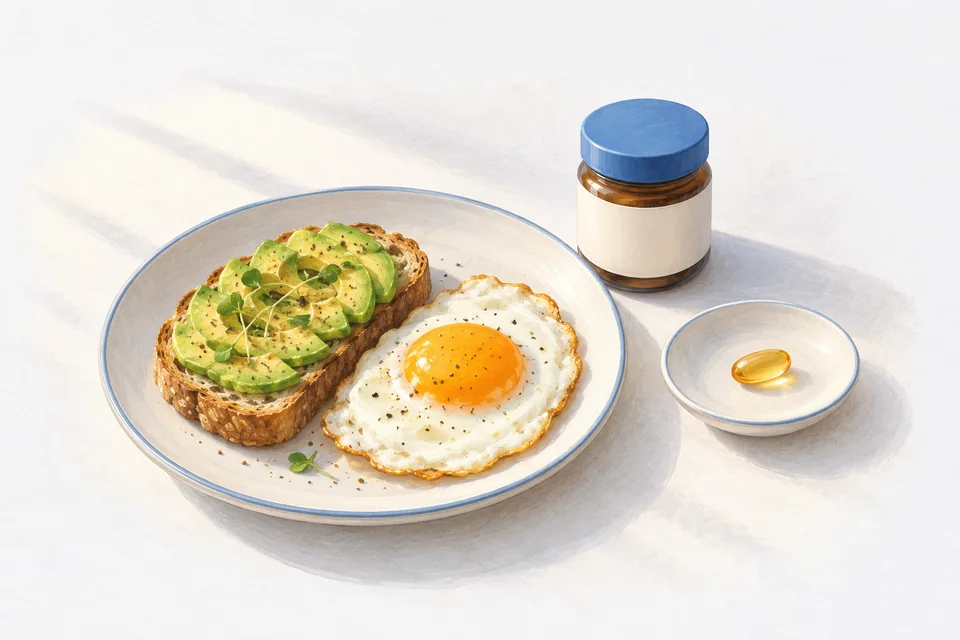
Best Time to Take Vitamin D: Morning or Night, and With Food?
What time of day to take vitamin D: there is no proven best hour, but it is best absorbed with a meal that has some fat. Morning or night, what to check and how to remember.
Read article →
Medication List: What to Include and How to Keep It Up to Date
What belongs on a personal medication list, how to keep it current and the easiest ways to have it with you at the doctor, the pharmacy or in an emergency.
Read article →
When to Take Magnesium: With Food, on an Empty Stomach or at Night?
Can you take magnesium on an empty stomach? What the NIH says about food, morning or night, and the medicines to keep hours apart, plus how to fit it into your day.
Read article →
ADHD Medication in the Morning: A Routine That Works Before You Are Awake
Mornings are when ADHD medication is most often missed or taken late. Practical ways to set up your morning dose so it happens before the day gets going.
Read article →
ADHD Time Blindness and Medication: Reminders That Work When Hours Disappear
Time blindness makes 'I'll take it in a minute' turn into three hours. How to set up medication reminders and cues that work with ADHD time perception.
Read article →
ADHD Waiting Mode and Medication: Reminders That Do Not Freeze Your Day
Waiting mode can make a single afternoon dose or appointment take over the whole day. How to set up medication reminders that do not trigger it, and what to do when it hits.
Read article →
Apple Watch Medication Reminders Not Working? A Step-by-Step Checklist
Medication reminders not showing on your Apple Watch? Work through this checklist of iPhone and watch settings, from notification mirroring to Focus and wrist detection.
Read article →
Birth Control Pill Reminder for 21/7 Packs: Setting Up the Break Week
How to set up a pill reminder that knows about the 7-day break in a 21/7 pack, why the start date matters and what to check when a new pack begins.
Read article →
Did I Take My Medication? How to Stop Second-Guessing Every Dose
Not sure if you took your medication today? Why it happens, what to do in the moment and simple systems that answer the question for good.
Read article →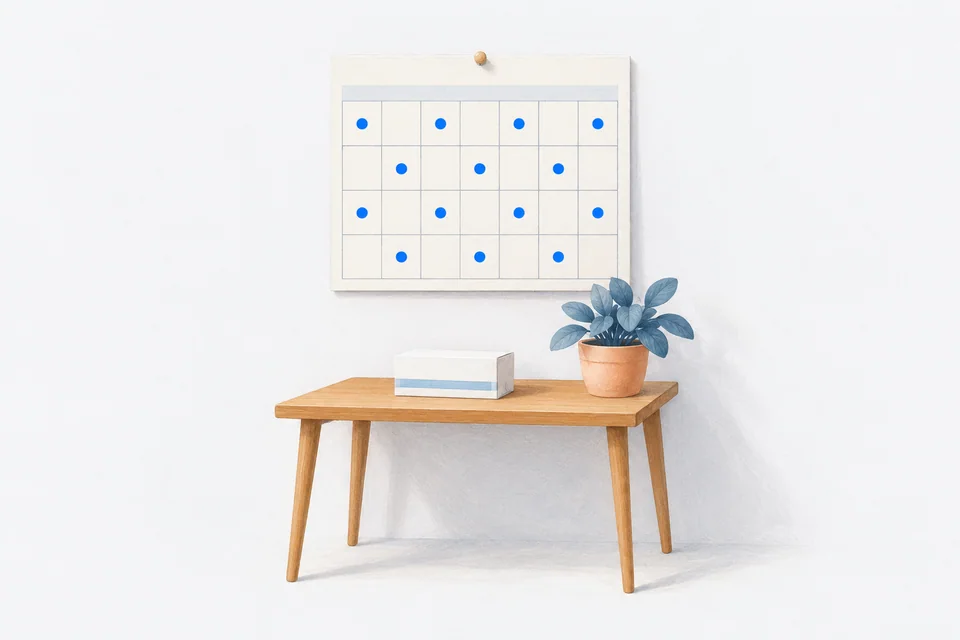
Every Other Day vs Monday, Wednesday, Friday: Setting Up Non-Daily Medication
Every other day and Mon/Wed/Fri sound similar but drift apart within a week. How each schedule works, which one your label means and how to set reminders for both.
Read article →
Family Medication Check-Ins: Staying in the Loop Without Hovering
How families can keep an eye on a parent's or partner's medication without daily interrogations: what to share, how often and how to keep it respectful.
Read article →
Health App Privacy: A Checklist Before You Add Your Medications
Your medication list says a lot about you. A practical checklist for judging a health app's privacy: the App Store label, accounts, where data lives, Apple Health access and deleting it.
Read article →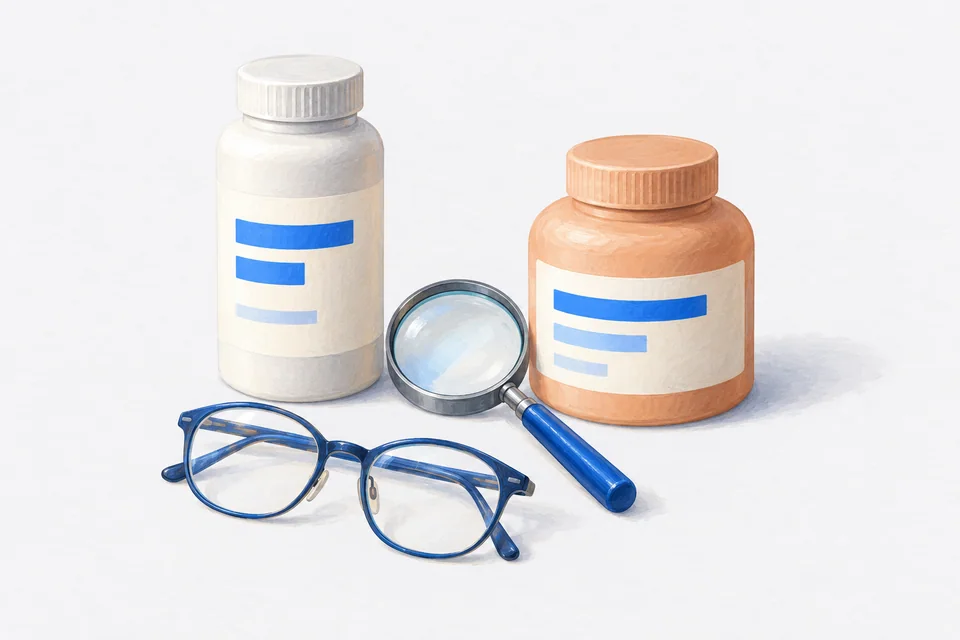
IU vs mg vs mcg: What mcg Stands For and How to Compare Labels
mcg stands for microgram: 1 mg is 1,000 mcg. What IU, mg and mcg mean on vitamin labels, the difference between them, why 1,000 IU is not 1,000 mg and how to compare jars.
Read article →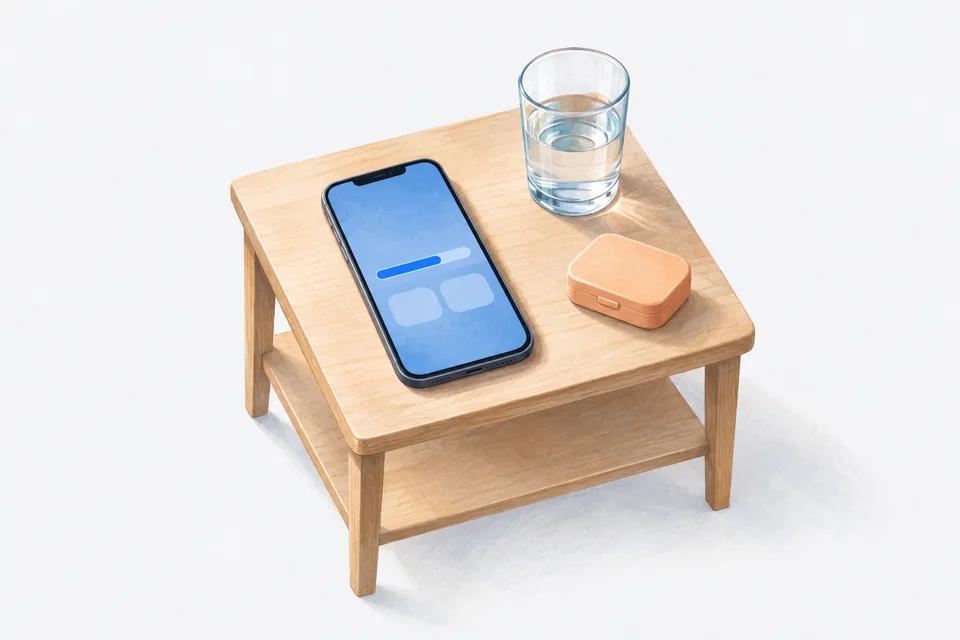
Medication Widgets on iPhone: Lock Screen, Home Screen and the Dose Countdown
How to put your next dose on your iPhone Lock Screen and Home Screen, what each kind of medication widget is good for and how a live countdown helps with interval and as-needed doses.
Read article →
Med Tracker Setup: What to Enter for Each Medication (and What to Skip)
Setting up a med tracker? The details worth entering for each medication, from strength and schedule to supply and dose windows, and the ones you can leave blank.
Read article →
How to Keep a Medication Log Your Doctor Can Actually Use
What to record in a medication log, how to lay it out so a doctor can read it in a minute and how to bring it to an appointment, on paper or from your phone.
Read article →
Medication Reminders for Carers: A Weekly System for Someone You Look After
A practical weekly routine for carers managing an ageing parent's or partner's medication: one list, one record, refills on time and less worry between visits.
Read article →
Taking Medication Across Time Zones: Home Time or Local Time?
Flying across time zones moves your medication times. How home-time and local-time approaches work, how to plan the travel day and what to ask your pharmacist before you go.
Read article →
How to Never Run Out of Medication: A Simple System for Refills
Running out of medication is usually a chain of small delays. A practical system for repeats, scripts, holidays and travel so you always have supply on hand.
Read article →
Starting a New Medication: How to Build the Routine in Your First Two Weeks
A practical plan for the first two weeks of a new prescription: questions for the pharmacist, picking a time, setting reminders and noting how you feel.
Read article →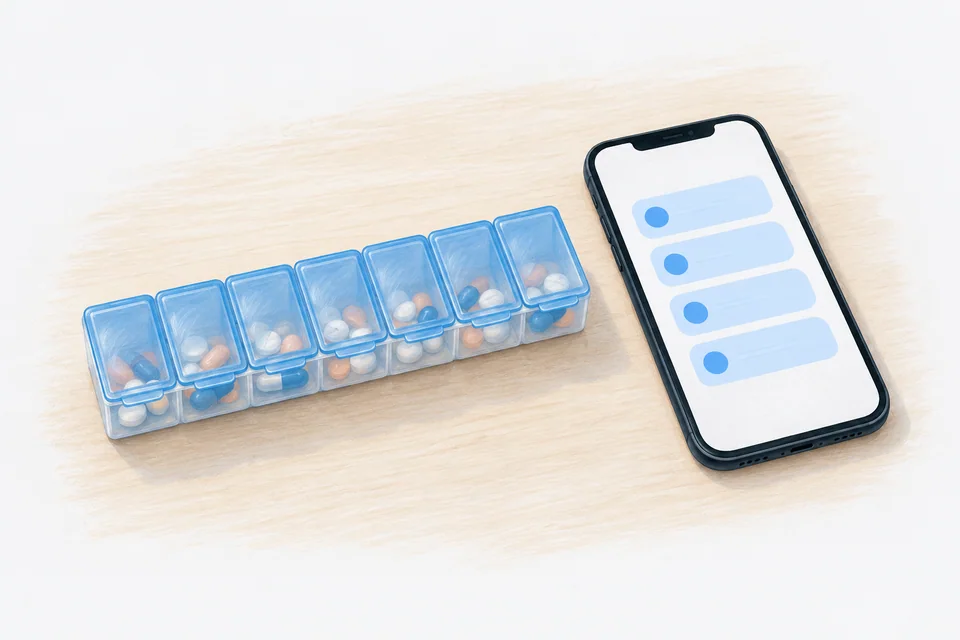
Pill Box vs Medication App: Which Works Better (and Why Many People Use Both)
A weekly pill box shows at a glance what you have taken. An app reminds you and keeps a record. The strengths of each, where each falls short and how to combine them.
Read article →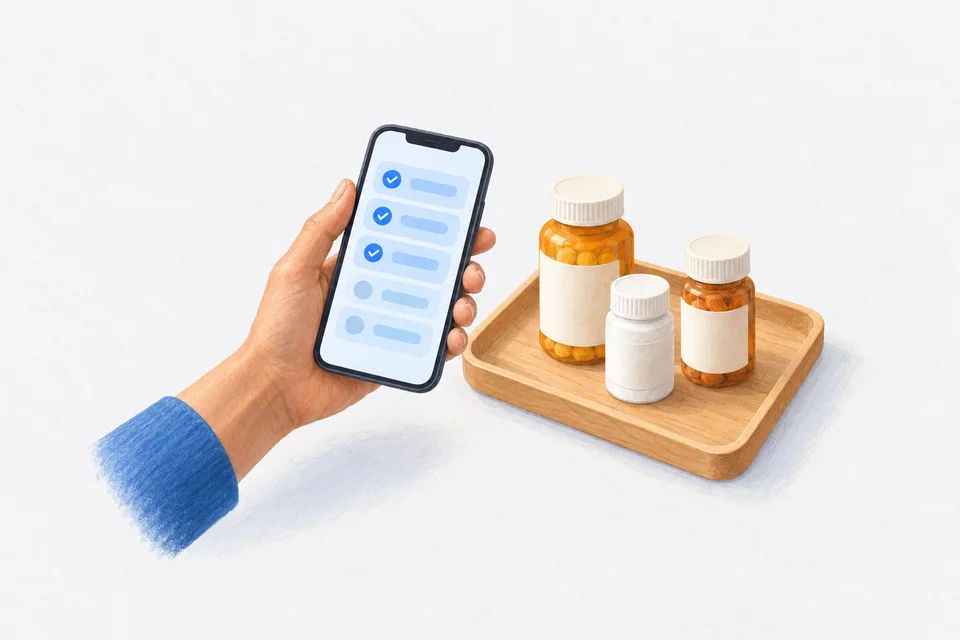
Pill Tracker App: What a Good One Does (and What It Should Never Ask For)
A pill tracker app should remind you, record what you took and stay out of the way. Here is what to look for, what to skip and how to set one up in ten minutes.
Read article →
Refill Reminder App: How Supply Tracking Tells You Before You Run Out
A refill reminder works by counting what you have and what you take each day. Here is how supply tracking works, how to set it up properly and when to reorder.
Read article →
Supplement Tracker: How to Organise and Track a Supplement Stack
Taking several supplements a day? How to organise a supplement stack by time and food, track what you actually take and keep a list your pharmacist can check.
Read article →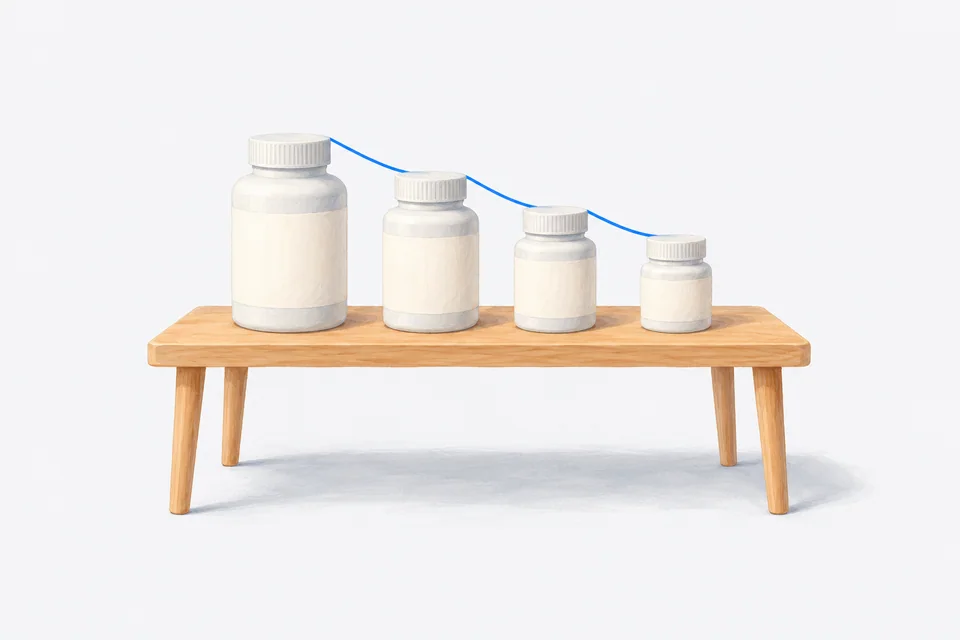
Tapering Schedule Tracker: How to Follow a Dose That Changes Each Week
A tapering schedule changes your dose on set dates. How to write it down clearly, set reminders that change on the right day and keep a record for your prescriber.
Read article →
How to Track As-Needed (PRN) Medication: Spacing, Daily Caps and Your Log
As-needed medication is easy to lose count of. How to track PRN doses, see when you can take the next one and keep within the daily limit on your label.
Read article →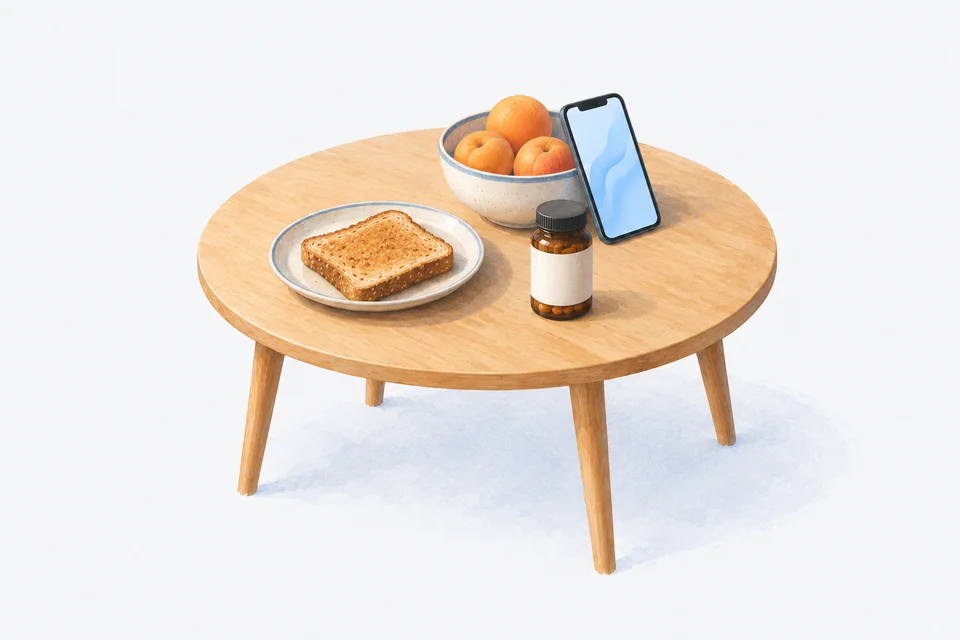
Vitamin Reminder App: How to Actually Remember Your Daily Vitamins
Vitamins are the easiest thing to forget because nothing happens when you do. How to set up a vitamin reminder that fits around meals and actually sticks.
Read article →
What to Bring to a Specialist Appointment: A Checklist
A practical checklist for a specialist appointment: referral, medication list, dose log, test results, questions and the admin details that save time on the day.
Read article →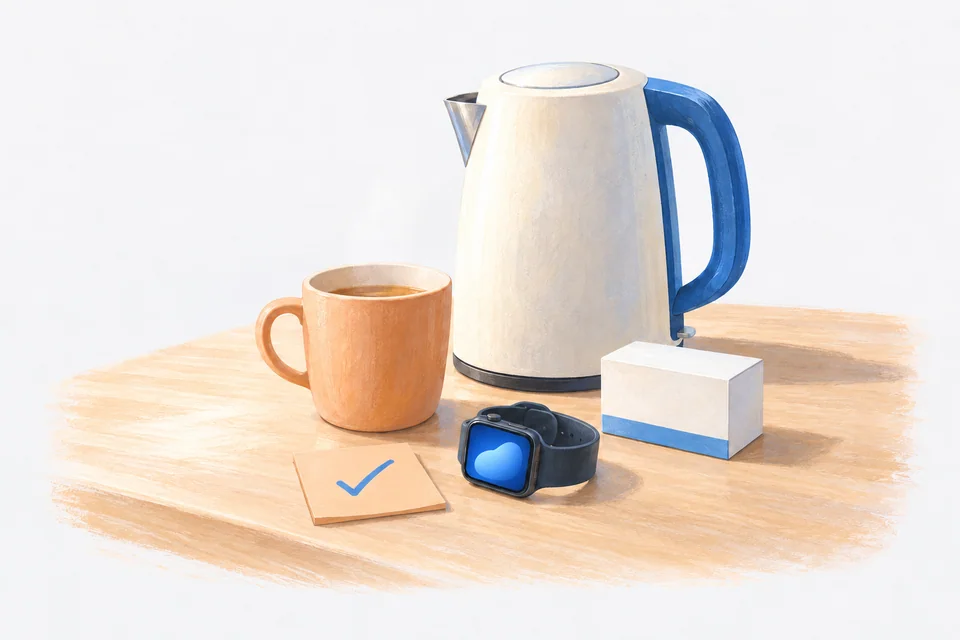
ADHD Awareness Month: Medication Routines That Don't Rely on Memory
October is ADHD Awareness Month. Practical medication routines for ADHD brains: anchors, reminders that follow up, visible cues and a log you can check instead of guess.
Read article →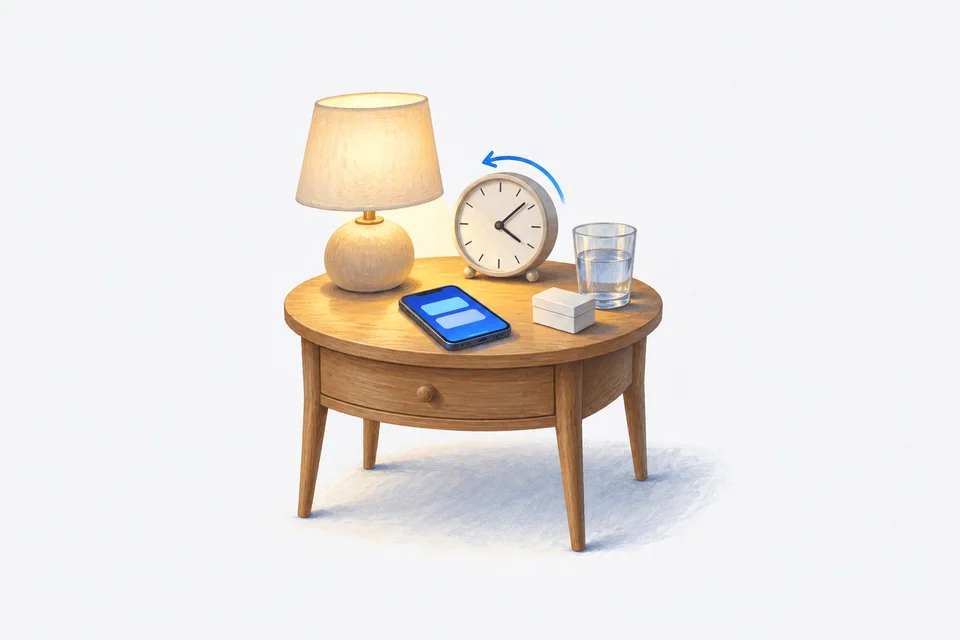
Daylight Saving Ends: What Happens to Your Medication Reminders
Clocks go back in Europe on 25 October and in the US and Canada on 1 November 2026. What that does to your medication reminders, and what to check before the weekend.
Read article →
Travelling With Medication: A Reminder Checklist for the Holidays
A practical checklist for travelling with medication over the holidays: refills before you go, time zones, packing, and keeping your reminders right while you are away.
Read article →
How to Set Up Medication Reminders on Your Parent's iPhone
A step-by-step guide to setting up medication reminders on a parent's iPhone in one visit: adding medications, reminders that are hard to miss, refills and a daily update they can send you.
Read article →
About Cadence and How We Write These Guides
Who is behind Cadence and how we research and fact-check the medication guides on this blog, including our sourcing approach and our not-medical-advice policy.
Read article →
Cadence at a Glance: Features, Pricing and Specs (2026)
A factual reference for Cadence: what it is, pricing, platforms, privacy, the full feature list, and what is free versus Cadence Pro. Accurate as of 2026.
Read article →
Cadence vs Apple Health Medications (2026)
Apple Health now tracks medications and adherence history. Here is an honest 2026 comparison of Cadence vs the built-in Apple Health Medications feature.
Read article →
Cadence vs Bearable (2026): Which Do You Actually Need?
Cadence and Bearable solve different problems. An honest 2026 comparison of the medication reminder app versus the symptom and mood tracker, and when to use each.
Read article →
Cadence vs CareClinic (2026): An Honest Comparison
CareClinic is a comprehensive health-management platform. Cadence is a focused medication app. An honest 2026 comparison of price, privacy, scope and features.
Read article →
Cadence vs EveryDose (2026): An Honest Comparison
EveryDose pairs reminders with an AI assistant. Cadence is private and on-device. An honest 2026 comparison of price, privacy, AI and features.
Read article →
Is Medisafe Free in 2026? What It Costs, and a Free Alternative
Not outside the US: Medisafe now charges US$4.99 a month or US$39.99 a year. Keep your reminders without another subscription. Cadence is free for unlimited medications, with no account.
Read article →
Cadence vs MyTherapy (2026): An Honest Comparison
Cadence and MyTherapy are both free medication reminders. An honest 2026 comparison of platforms, privacy, health integration and features to help you choose.
Read article →
Round Health Shut Down? Here's What to Switch To (2026)
Round Health is gone from the App Store, so your reminders could stop after the next iOS update. Move them in five minutes to a free app with the same forgiving dose windows.
Read article →
I Missed a Dose of My Medication. What Should I Do?
Missed a dose? The general rule is to take it when you remember unless it is almost time for the next one, and never double up. Here is how to decide, safely.
Read article →
How to Read Your Medication Adherence Insights
What your medication adherence insights actually mean: how to read your adherence rate, dose share, perfect days and monthly patterns, and what to do with them.
Read article →
Took Your Medicine Late? Don't Panic, Here's What to Do
Just realised you forgot your tablet hours ago? For most medicines a late dose still works and beats skipping it. When it matters, when to wait and who to ask.
Read article →
What Does PRN (As-Needed) Mean for Medications?
PRN means a medication is taken as needed rather than on a fixed schedule. Here is what PRN stands for, where it comes from and how as-needed dosing works.
Read article →
What Is a Dose Window?
A dose window is a grace period around a medication's scheduled time during which a dose still counts as on time. Here is what it means and why it helps.
Read article →
What Is Medication Adherence? A Simple Definition
Medication adherence is how consistently you take your medication as prescribed: the right dose, at the right time, for as long as directed. Here is what it means.
Read article →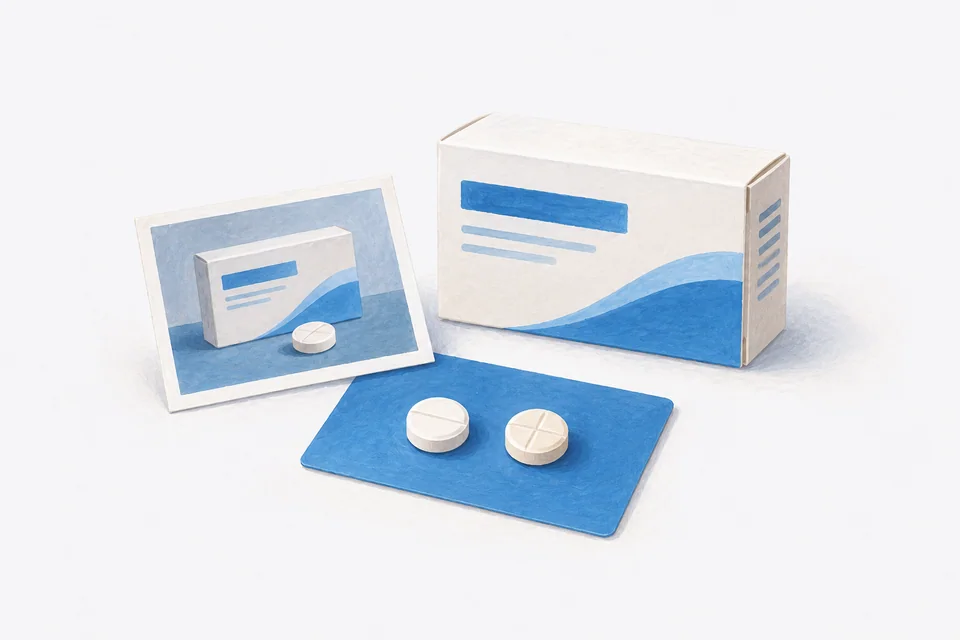
Why So Many Pills Look Alike (and How a Photo Helps)
Many pills look almost identical: small, white and round. Here is why that happens, why it causes medication mistakes, and how a photo of each medication prevents mix-ups.
Read article →
Why Dose Windows Matter More Than Exact Times
Most medication apps mark you overdue the second you miss a scheduled time. Here is why dose windows are more clinically accurate and less stressful.
Read article →
Best Medisafe Alternatives for iPhone (2026)
Looking for a Medisafe alternative? A practical comparison of the best medication reminder apps for iPhone in 2026, with honest pricing breakdowns and feature comparisons.
Read article →
Interval Dosing: Flexible Medication Reminders for Irregular Schedules
Some medications need to be spaced evenly throughout your day, not tied to fixed times. Cadence supports interval dosing for people with unpredictable routines.
Read article →
How to Build a Medication Habit That Sticks
The science of habit formation applied to medication routines, from habit stacking and implementation intentions to streaks and what to do when you break the chain.
Read article →
How to Manage Multiple Medications Without Losing Track
Practical strategies for organising a complex medication schedule, avoiding interactions and staying consistent when you are taking more than a few pills a day.
Read article →
ADHD Medication Reminders: Stop Wondering If You Took It
You heard the reminder, meant to take it and the thought vanished. Reminders built for the ADHD brain: answers on your Lock Screen, follow-ups that don't give up and no guilt when you miss one.
Read article →
How to Track Medications for Elderly Parents
A practical guide to managing your parent's medications, from knowing when to step in to choosing the right tools for shared tracking.
Read article →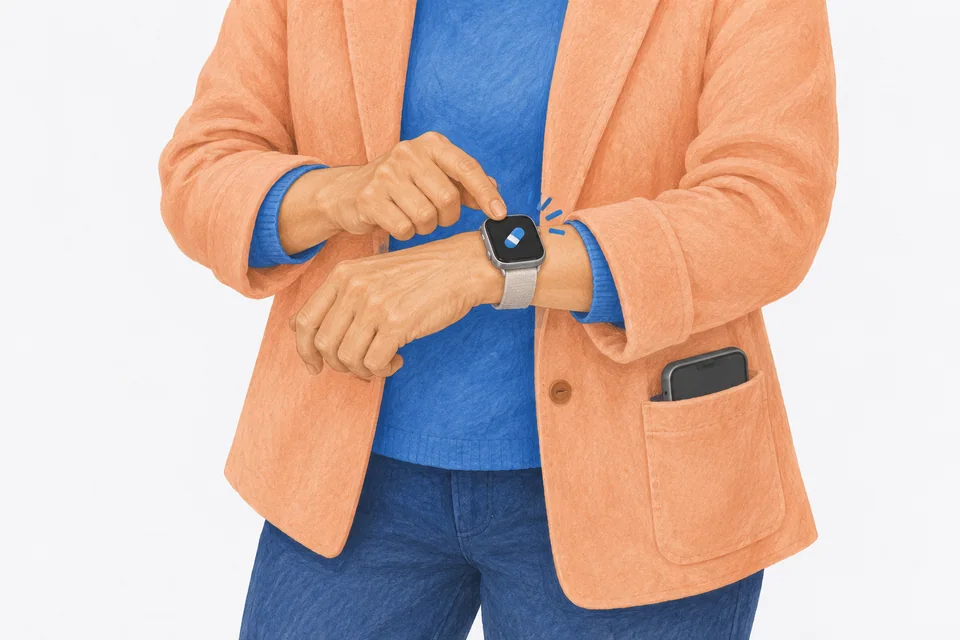
Can Apple Watch Remind You to Take Medications? Yes, Here Is How
Yes. Apple Watch can tap your wrist when a dose is due and log it, with Apple Health Medications or an app. Two-minute setup, what Apple misses and the best apps.
Read article →
Medication Adherence: Why It Matters and How to Improve It
What medication adherence actually means, why half of patients struggle with it and evidence-based strategies to stay consistent.
Read article →
How to Remember to Take Your Medication Every Day
Practical strategies to build a consistent medication routine, from habit stacking to smart reminders that actually work.
Read article →
Best Medication Tracker Apps for iPhone (2026)
A practical comparison of the best medication tracker apps for iPhone in 2026, including pricing, features and what actually helps you stay consistent.
Read article →
Can Apple Health Track Medications on iPhone? What It Misses
Yes, Apple Health can track your medications on iPhone, with reminders and a dose history. It can't track your supply or link doses to your health data. Here's how to fill the gaps.
Read article →
iPhone Medication Reminders: The Complete Guide (2026)
Compare every iPhone medication reminder option in 2026. From Apple Health to third-party apps with lock screen actions and follow-up alerts.
Read article →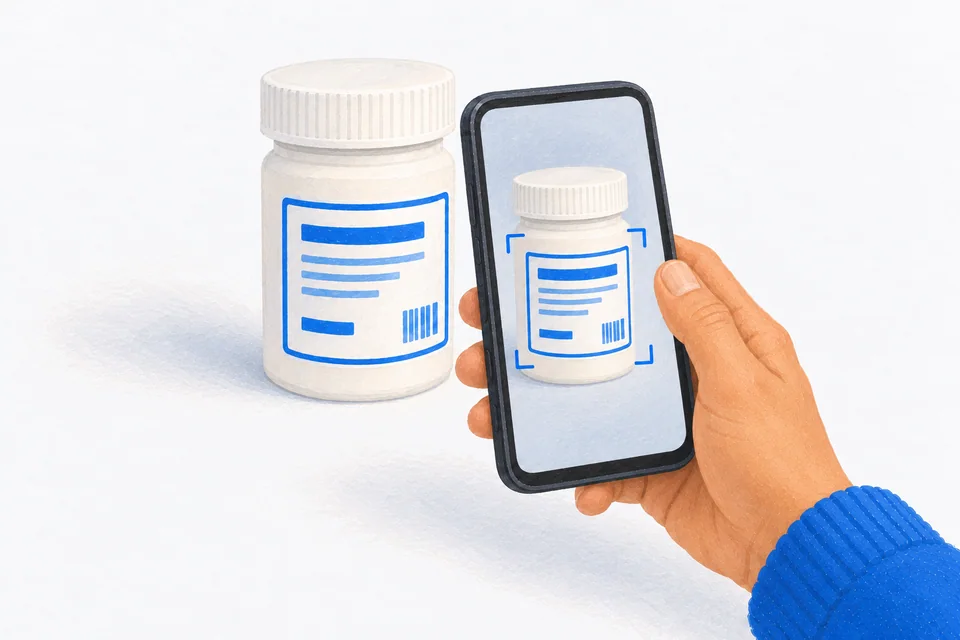
How to Scan a Prescription Label with Your iPhone Camera
Stop typing medication names by hand. Learn how to use your iPhone camera to scan a prescription label and auto-fill your medication details in seconds using Cadence.
Read article →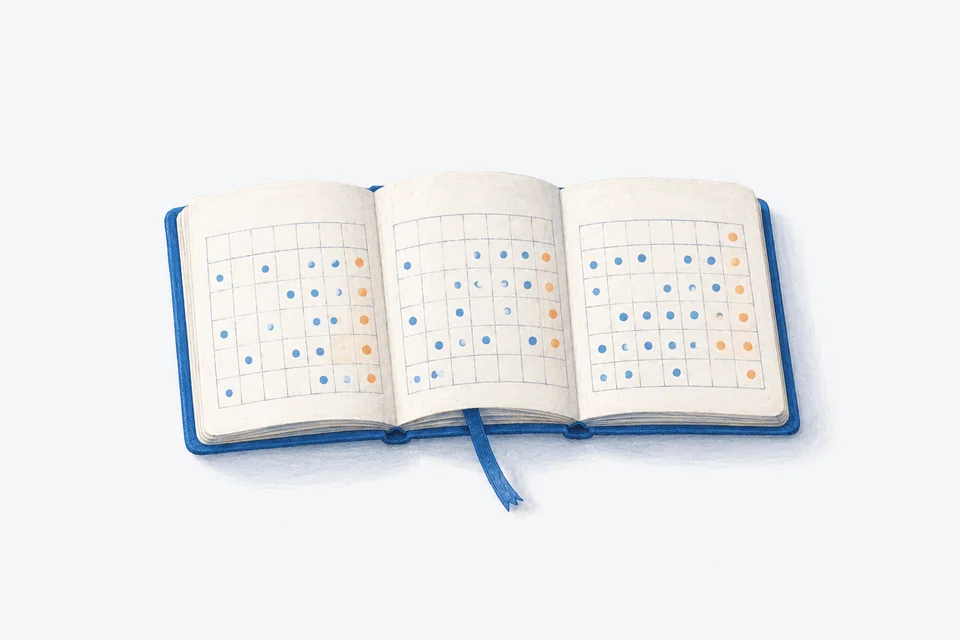
90 Days of Medication Tracking: What the Data Revealed
I used a medication reminder app every day for 90 days to see what the data would reveal. The patterns surprised me.
Read article →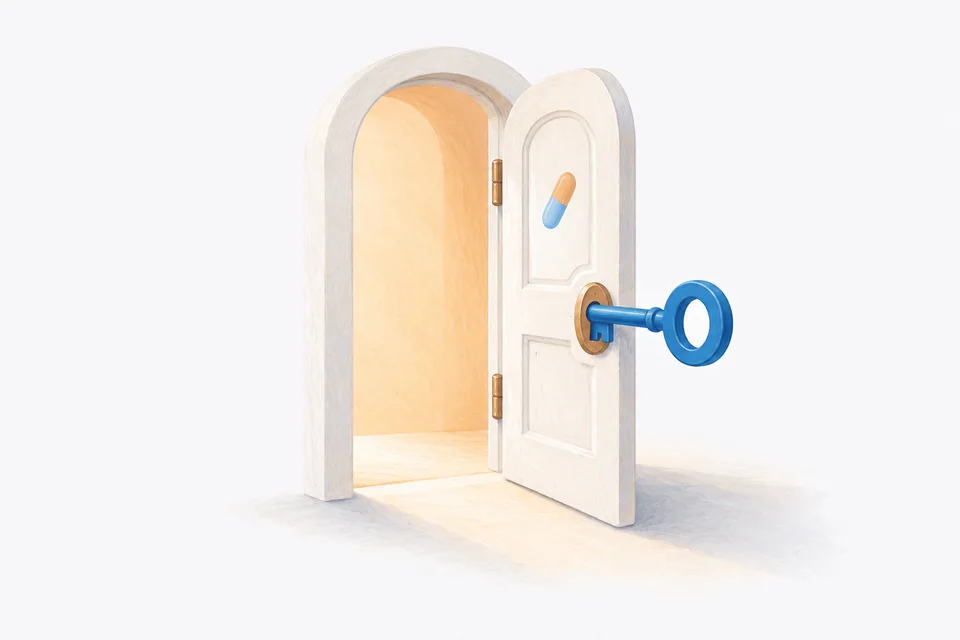
Medication Apps Without a Subscription (2026)
Every medication reminder app seems to want $5–40 a year just for basic reminders. Here's an honest look at your options, including apps that don't charge you indefinitely.
Read article →