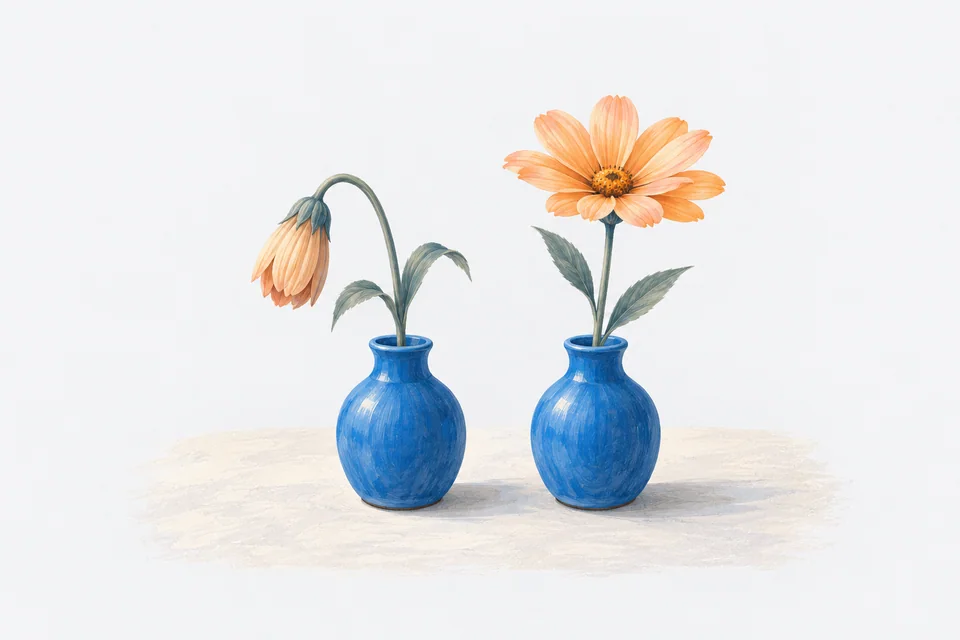
Drowsy antihistamines are more likely to make you sleepy and can slow your co-ordination, reaction speed and judgement. Non-drowsy antihistamines are less likely to make you sleepy, though it can still happen. The NHS says non-drowsy types are generally the best option.
A pharmacist can help you choose, especially if you take other medicines. Not all antihistamines suit everyone.
Which is which
These generic names are the examples the NHS gives. Brand names vary, so check the active ingredient on the box.
| Type | Examples |
|---|---|
| More likely to make you sleepy | Chlorphenamine, cinnarizine, diphenhydramine, hydroxyzine, promethazine |
| Less likely to make you sleepy | Acrivastine, cetirizine, fexofenadine, loratadine |
Side effects
Drowsy types can cause sleepiness and reduced co-ordination, reaction speed and judgement. They can also cause dry mouth, blurred vision and difficulty peeing. The NHS says not to drive or use machinery after taking them.
Non-drowsy types can cause headache, dry mouth and feeling sick. Drowsiness is less common with them but is still possible, so see how you feel before you drive.
The leaflet has the full list and advice about when to get medical help.
When might a drowsy type make sense?
The NHS says types that make you sleepy may be better if your symptoms stop you sleeping. People respond differently, and you may need to try more than one type to find what works for you.
Check before you take one
Speak to a pharmacist or GP before taking an antihistamine if you:
- are already taking other medicines, particularly antidepressants or medicines for a stomach ulcer or indigestion
- are pregnant or breastfeeding
- are looking for a medicine for a young child
- are an older person
- have an underlying health condition
Look out for doubling up as well. The NHS notes that some cough and cold remedies also contain an antihistamine, so check the label. The NHS also suggests trying not to drink alcohol while taking one, particularly a drowsy type.
If you take them on and off
As-needed medicines are easy to lose track of. Recording what you took and when lets you see how often you need it, and gives you something clear to tell your pharmacist. See how to track as-needed medication.
Frequently asked questions
Can non-drowsy antihistamines still make you tired?
Yes. The NHS says drowsiness is less common with them, but it is still possible.
Can I drive after taking an antihistamine?
The NHS says not to drive or use machinery after taking the drowsy types. With non-drowsy types, check how you feel first and read the leaflet.
Can I drink alcohol with antihistamines?
The NHS suggests trying not to, particularly with a drowsy type, as it can increase the chance of feeling sleepy.
Sources
Antihistamines, NHS.
Cadence is a free medication reminder app for iPhone and Apple Watch. It is not medical software and does not give medical advice. Cadence Pro is a one-time purchase, with no subscription.
